
Paint4Brains: Open Source AI Tool for MRI Segmentation
I coordinated the team in building a local tool that provides clinicians with editable brain MRI segmentations of problematic neurodegenerative regions.
Situation
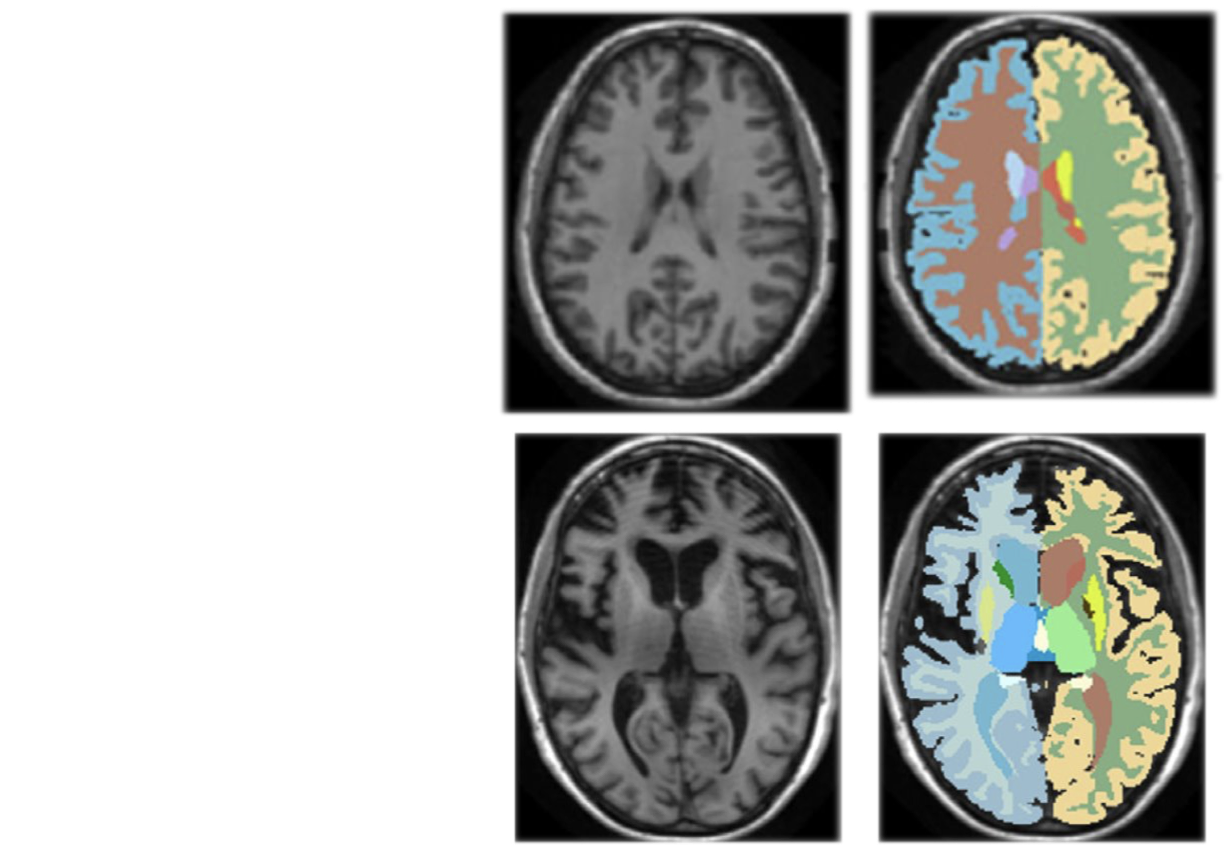
Accurate MRI segmentation is essential for the prognosis and research of neurodegenerative diseases. Yet existing atlas-based tools are slow and struggle with segmenting brain regions impacted by severe atrophy, particularly in lower quality clinical data.
Task
Part of our PhD-training at SABS-R3, our small team partnered with GE HealthCare to engineer an open-source MRI software tool capable of running locally on clinicians’ machines, providing accurate and editable brain MRI segmentations for patients with severe neurodegeneration.
Action
Within our team, I took on three responsibilities:
- Using light Agile, I worked with clinicians and developers at GE HealthCare to define personas, jobs to be done (JTBD), and evaluate demand for features and usability. I then worked with the team to prioritise the backlog, plan sprints, and manage delivery.
- Internally, I integrated the QuickNAT network into the software.
- Finally, I wrote the documentation and delivered training sessions to clinical end-users, supporting the adoption of the tool.
Result
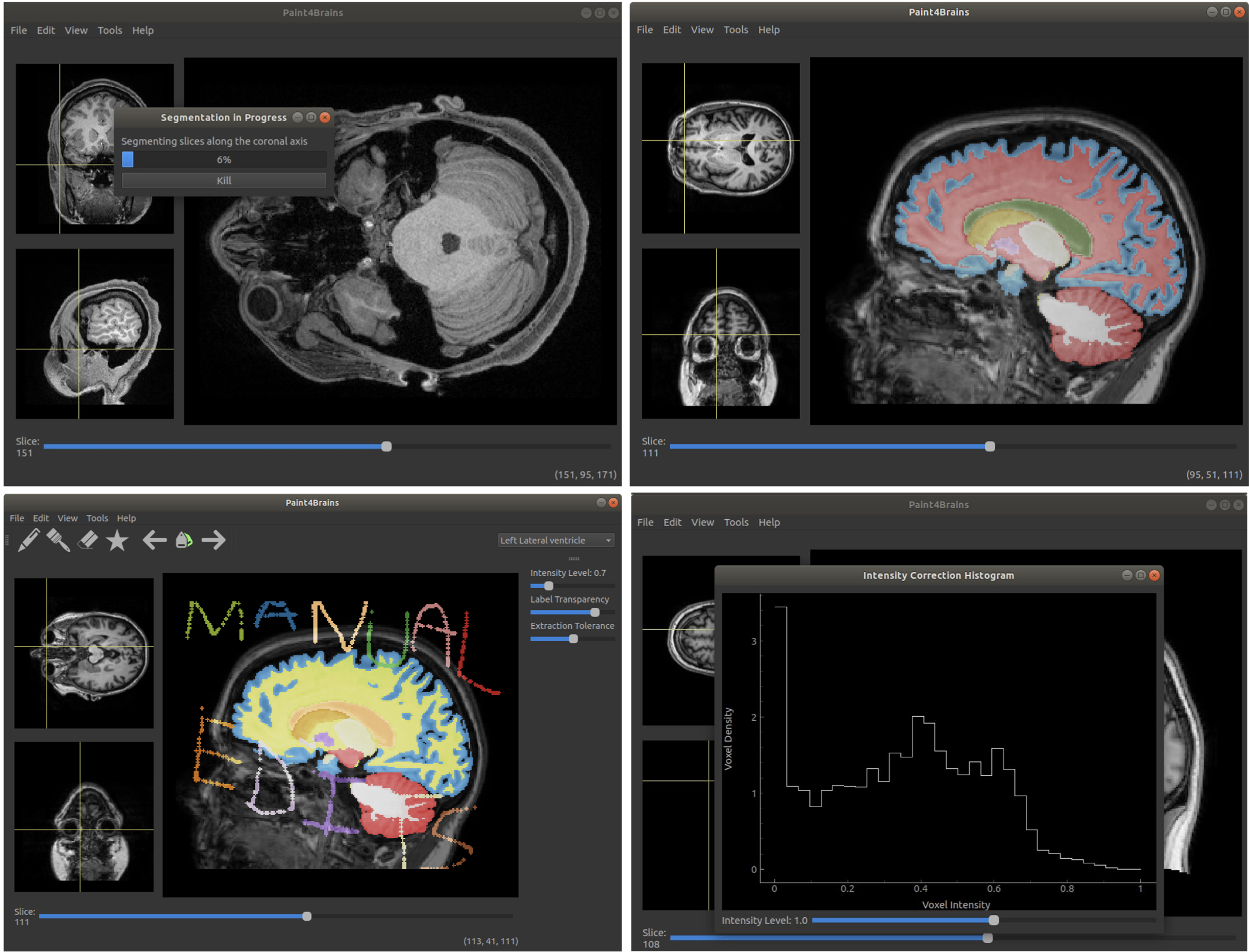
Our team delivered Paint4Brains, an open-source tool that boosted segmentation accuracy by 12% while allowing clinicians to manually edit results. We designed the software to run locally on standard Linux, Windows, and macOS laptops, ensuring data privacy, while improving segmentation speed by 90% vs. traditional atlas-based methods.
Scars
We enthusiastically developed a first version of the tool, only to find that we misunderstood the clinicians’ needs. As the project coordinator, I understood that this was my failure to understand our stakeholders’ needs properly. This situation prompted me to stop and re-evaluate our approach, spending time with clinicians to understand their workflows, pain points, current tools, and desired outcomes. I also implemented regular feedback loops, ensuring that the features we developed aligned with their expectations, ultimately leading to a successful product.
Interdisciplinary Integration
During the project, I developed skills from the following domains:
- Deep learning, specifically model selection and fine-tuning.
- Software engineering for integrating the model into the software backend.
- Team coordination and stakeholder management.
Technologies & Skills Used
Technical
- Deep Learning (QuickNAT, CNNs)
- Software Engineering (CI/CD, Cross-platform development)
- MRI Segmentation & Neuroimaging Analysis
- Open-Source Development
Project & Stakeholder Management
- Agile Project Management
- Persona, JTBD, Demand, and Usability Analysis
- Technical Documentation & User Training
- Stakeholder Communication